
Common Sump Pump Problems After Heavy Illinois Summer Storms
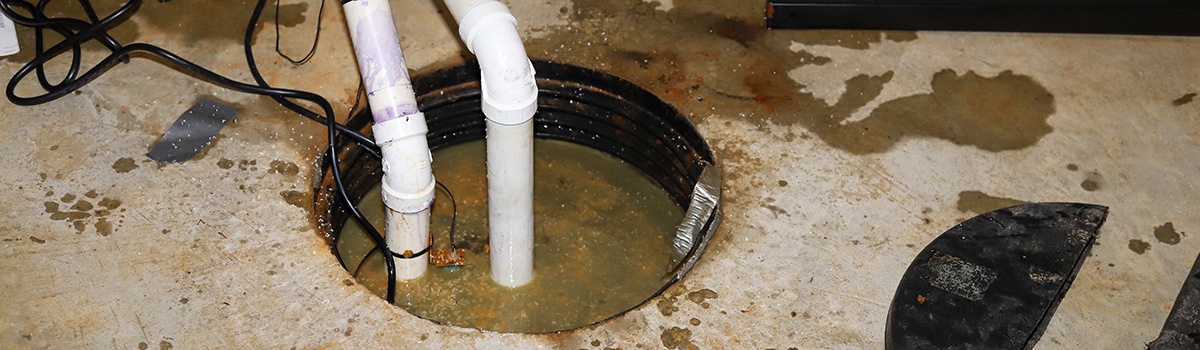
A strong Illinois summer storm can leave your sump pump running nonstop, making unusual noises, or struggling to keep water out of your basement. Heavy rainfall often reveals electrical, mechanical, and drainage problems that were not noticeable during normal weather. Your system may lose power, become clogged, cycle too often, or fail to move water quickly enough.
Recognizing these warning signs can help you determine when professional attention is needed. Prompt service may also reduce the chance of additional water entering your home during the next round of storms.
Why Do Heavy Summer Storms Strain Sump Pumps?
Your sump pump collects groundwater in a pit and moves it away from your home through a discharge pipe. Our guide to how a sump pump works explains this process in more detail.
During intense or repeated rainfall, groundwater levels can rise quickly. Saturated soil cannot absorb additional water as easily, while roofs, roads, driveways, and other hard surfaces increase runoff. These conditions can send water into the sump pit faster than the pump can remove it.
A sump pump that works normally during light rain may struggle during a severe storm. The increased workload can expose worn parts, blocked drainage components, power problems, or insufficient pumping capacity.
What Sump Pump Problems Commonly Appear After a Storm?
Storm-related sump pump issues can affect the pump, its controls, or the discharge system. The following problems are among the most common.
The Pump Cannot Keep Up
A sump pump may run continuously while the water level in the pit continues to rise. This can happen when the pump is worn, undersized, or handling more groundwater than usual.
Continuous operation does not always mean the pump has stopped working. However, it can indicate that the system cannot match the rate of incoming water. Prolonged operation also places additional strain on the motor and other components.
The Power Goes Out
Most primary sump pumps rely on household electricity. High winds, lightning, or fallen trees can interrupt power during a summer storm, stopping the pump when it is needed most.
A pump that does not restart after power returns may have an electrical or mechanical problem. A qualified plumber can inspect the system and determine why it is not operating correctly.
The Float Switch Becomes Stuck
The float switch activates the pump when water reaches a certain level. Debris, limited space, or contact with the side of the pit can prevent the float from moving freely.
A stuck switch may keep the pump from turning on as the pit fills. It may also cause the pump to continue running after the water level drops.
The Pump or Discharge Line Is Clogged
Sediment and debris can block the pump intake or interfere with internal components. The outdoor discharge pipe may also become clogged, crushed, disconnected, or surrounded by saturated soil.
Restricted flow reduces the amount of water the system can move. It may also cause the pump to work harder and run longer than it should.
The Check Valve Allows Water to Return
The check valve helps prevent discharged water from flowing back into the sump pit. When the valve does not close correctly, water may return after each pumping cycle.
This backflow can make the pump start and stop repeatedly. Frequent cycling may increase wear on the motor, switch, and other parts.
Mechanical Parts Begin Making Noise
A sump pump should not suddenly begin grinding, rattling, humming, or vibrating heavily. These sounds may indicate trapped debris, worn components, impeller damage, or a motor that is struggling to start.
Unusual noise deserves prompt attention, especially when it begins during a period of heavy rainfall.
Which Warning Signs Call for Professional Sump Pump Repair?
Some symptoms indicate that your sump pump needs more than routine observation.
- The pump does not turn on.
- The pit keeps filling while the pump runs.
- The system starts and stops repeatedly.
- Discharged water flows back into the pit.
- The pump trips a breaker.
- The system produces grinding, rattling, or strong vibration.
- Water reaches the basement floor.
A professional inspection can identify whether the problem involves the pump, float switch, check valve, discharge line, or another component. Our plumbing repair services in Urbana, IL can help address sump pump and related plumbing concerns.
How Can You Respond Safely to Basement Water?
Avoid entering standing basement water when outlets, appliances, or electrical equipment may be energized. Stormwater may also contain sewage, chemicals, fuel, or other contaminants that make direct contact unsafe.
Use caution before removing a large amount of water from a flooded basement. When the surrounding soil remains saturated, pumping water out too quickly can create pressure differences that may damage basement floors or foundation walls. Professional guidance can help you determine an appropriate response.
Get Help With Sump Pump Problems in Paxton and Urbana
After a heavy Illinois storm, Dogtown Heating, Air & Plumbing can inspect your sump pump and identify the cause of poor performance. Our NATE- and NCI-certified technicians provide expert diagnostics, free estimates, second opinions, and 24/7 emergency service. Financing options are also available on approved credit.
We proudly serve homeowners throughout Paxton, Urbana, and surrounding areas with professional plumbing support when storm-related problems appear.
Contact us for sump pump and plumbing help in Paxton, Urbana, and surrounding areas.