
How Fall Leaves and Rain Can Lead to Sewer Line Backups in Illinois Homes
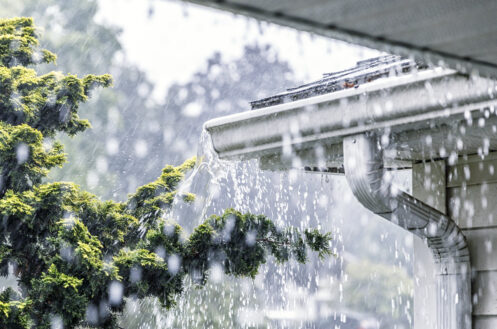
Falling leaves and seasonal rain can increase the risk of sewer line backups in Paxton and the surrounding areas. Leaves often obstruct exterior drainage routes, while heavy rain can expose existing sewer line problems such as cracks, root intrusion, and accumulated buildup.
Although leaves typically do not enter a properly sealed sanitary sewer line, they can block gutters, yard drains, and other areas that direct water away from your property. Combined with saturated soil and repeated rainfall, these conditions can add stress to an already damaged or restricted sewer line.
How Do Fall Leaves Contribute to Sewer Backup Risks?
Leaves can accumulate quickly in gutters, downspouts, window wells, yard drains, and storm drains. Once these drainage routes become obstructed, rainwater may collect near your foundation instead of moving safely away from the property.
Standing water around the home can saturate the surrounding soil and increase pressure on underground pipes. If a sewer cleanout has a damaged or missing cap, nearby leaves and debris may also enter the line and contribute to a blockage.
Leaves are more likely to cause problems with exterior drainage than to clog a sealed sewer line directly. However, poor drainage around your property can worsen existing plumbing problems and increase the likelihood of water entering a damaged sewer pipe.
Why Can Heavy Fall Rain Cause a Sewer Line to Back Up?
Heavy rain does not always cause sewer trouble on its own. It often reveals a problem that was already developing inside or around the line. Cracks, deteriorated joints, tree root intrusion, and other damaged areas may allow groundwater to enter the sewer system.
A sewer line may also have restricted flow due to grease, waste, mineral deposits, or other accumulated material. When rainwater enters a compromised pipe, the existing restriction leaves less room for wastewater to move through the line. Water and sewage may then begin moving back toward the home.
Wet autumn weather can also saturate the soil surrounding underground plumbing. This can put extra pressure on older or weakened pipes. Depending on local infrastructure and storm conditions, municipal sewer systems may also experience heavier demand during prolonged rainfall.
What Are the Warning Signs of a Developing Sewer Backup?
Sewer line problems often produce warning signs before wastewater enters the home. Pay close attention if more than one plumbing fixture starts behaving unusually, since this may indicate a main sewer line problem rather than a clog in a single drain.
- Several drains emptying slowly at the same time
- Gurgling sounds coming from toilets, sinks, tubs, or showers
- Water rising in one fixture when you use another
- Sewage or musty odors near household drains
- Wastewater appearing in a basement drain, bathtub, or shower
- Unusually wet, soft, or sunken areas in the yard
These symptoms should not be ignored, especially if they become more noticeable during or after heavy rain. A prompt diagnosis can help determine whether the problem involves an obstruction, a damaged pipe, root intrusion, or another sewer line issue.
How Can Illinois Homeowners Reduce Their Fall Sewer Backup Risk?
Preventative attention can help reduce seasonal drainage problems. Keep gutters, downspouts, exterior drains, and the area surrounding the sewer cleanout free of accumulated leaves. Water from downspouts should also discharge away from the foundation and should not be improperly connected to the sanitary sewer.
Consider scheduling a professional plumbing inspection if your home has recurring drain problems, mature trees near the sewer line, or older underground piping. These factors can increase the likelihood of hidden damage or developing obstructions.
Professional drain cleaning may remove buildup that limits water flow, while a sewer line inspection can help identify damage that requires repair. Addressing these problems before periods of sustained rainfall can reduce the risk of a more disruptive backup.
When Should You Call a Plumber About a Sewer Backup?
Contact a plumber promptly if sewage enters your home, multiple fixtures back up, or strong sewer odors persist. Also schedule service if drainage problems return repeatedly after appearing to improve.
A professional plumber can locate the source of the backup and determine whether the line needs cleaning or repair. At Dogtown Heating, Air & Plumbing, we provide plumbing and sewer line services for homeowners in Paxton, Urbana, and surrounding Illinois communities. Our team can evaluate the problem, explain what is happening, and recommend an appropriate solution for your home.
Schedule Sewer Line Service in Paxton, IL
Fall leaves and rain may not be the sole cause of a sewer line backup, but they can aggravate damaged pipes, existing clogs, and poor exterior drainage. Slow drains, gurgling fixtures, sewer odors, and wastewater backups are signs that your plumbing system needs professional attention.
If you notice possible sewer line trouble this fall, do not wait for the next heavy rainfall to make it worse. Contact Dogtown Heating, Air & Plumbing to schedule professional sewer line service in Paxton, IL, or a surrounding community.